
Understanding responsible gambling essential insights for a mindful approach
What is Responsible Gambling?
Responsible gambling refers to the practice of engaging in gambling activities in a way that minimizes potential negative impacts on oneself and others. This involves understanding the risks associated with gambling, setting limits on time and money spent, and recognizing the signs of gambling addiction. Responsible gambling encourages players to view gambling as a form of entertainment rather than a means of making money, which can significantly alter their perspective and approach. For more detailed insights, you can explore https://pirots-uk.co.uk/pirots-3/.
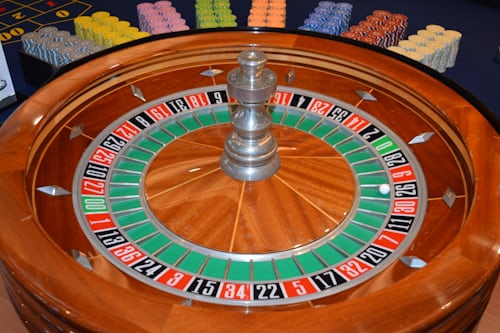
The concept of responsible gambling is not just about self-control; it also encompasses the broader responsibility of gambling operators to provide a safe environment. This includes offering tools and resources that enable players to manage their gambling habits effectively. By promoting transparency and awareness, both players and operators can foster a healthier gambling culture.
Incorporating responsible gambling practices also means being aware of the myths surrounding gambling. Many people believe in various misconceptions, such as the idea that luck can be controlled or that certain games are “due” for a win. Dispel these myths to help maintain a balanced mindset and to understand the nature of chance in gambling.
Setting Limits and Boundaries
Setting personal limits is a cornerstone of responsible gambling. Players should determine a budget before engaging in any gambling activity and adhere strictly to it. This budget should be an amount that one can afford to lose, ensuring that gambling does not interfere with essential living expenses. By sticking to a predefined budget, individuals can enjoy their gambling experience without the stress and anxiety associated with financial losses.
Moreover, time limits are equally important. Many individuals get caught up in the excitement of gambling and may lose track of time. By setting clear time constraints for their gambling sessions, players can ensure they maintain a healthy balance between gambling and other life activities. For instance, a player could decide to gamble only for two hours a week, allowing themselves to engage without losing control.
Accountability can also play a significant role in setting limits. Engaging a friend or family member to check in on your gambling activities can provide an external perspective. This support system can serve as a reminder to stick to your limits and help identify any potential signs of problematic gambling behavior before they escalate.
Recognizing Signs of Problematic Gambling
Understanding the signs of problematic gambling is essential for both individuals and their loved ones. Common indicators include a preoccupation with gambling, needing to gamble with increasing amounts of money, or feeling restless when attempting to cut back. These symptoms can often lead to severe consequences, affecting not just the gambler but also their relationships and financial stability.
Another critical sign to watch for is the tendency to chase losses. This behavior involves continuing to gamble in an attempt to recoup money lost, which often results in even greater losses. Recognizing when gambling is becoming a compulsion rather than a choice is crucial. If a gambler finds themselves betting more than they planned or lying about their gambling habits, these are red flags that should not be ignored.
Effective communication within relationships can also help identify problematic gambling. Family and friends should feel comfortable discussing concerns regarding gambling behaviors. This supportive dialogue can encourage individuals to seek help if needed and can foster a culture of understanding and awareness surrounding the topic of responsible gambling.
Tools and Resources for Responsible Gambling
Numerous tools and resources are available to assist individuals in practicing responsible gambling. Many gambling operators now provide features like self-exclusion, deposit limits, and reality checks to help players manage their gambling effectively. These tools empower players to take control of their gambling habits and make informed decisions.
Additionally, many organizations offer resources for those who may need help. Support services, such as hotlines and counseling, are available for individuals experiencing problems related to gambling. These resources provide a safe space for individuals to discuss their challenges and seek guidance on managing their gambling behavior.
Online platforms often provide educational materials that delve into responsible gambling practices. These materials can help players understand the risks and develop healthier gambling habits. Utilizing these resources can not only enhance one’s gambling experience but can also contribute to a more responsible gambling culture overall.

Final Thoughts on Responsible Gambling
Understanding responsible gambling is not just a matter of self-regulation; it involves a collective effort from players, operators, and communities to foster a healthy gambling environment. By prioritizing education and awareness, we can empower individuals to make informed decisions and mitigate the risks associated with gambling.
As we navigate the complexities of gambling, it’s essential to remember that enjoyment should always come first. This means viewing gambling as a pastime rather than an obligation or escape. By adopting a mindful approach and utilizing the available tools and resources, individuals can enjoy gambling responsibly.
For those looking to deepen their understanding of responsible gambling practices, our website offers a wealth of information and resources. From comprehensive guides to support services, we are committed to promoting a balanced and responsible gambling culture. Join us in fostering an environment where enjoyment and mindfulness coexist harmoniously in the world of gambling.
